What Qualifications and Credentials Actually Matter for RV Repair Shops
Not all mechanics are created equal. That's especially true in the RV world.
Your neighbor's buddy who's "great with cars" probably isn't equipped to diagnose your RV's electrical system. He likely doesn't understand the nuances of your slide-out mechanism. So what separates a qualified RV repair shop from someone who's just winging it?
Licensing Requirements for RV Repair Shops
Here's something many RV owners don't realize: not every state requires specific RV repair licensing. But reputable shops pursue it anyway.
When choosing RV repair services, look for a shop that is licensed to work on RVs specifically and offers a reliable warranty for your repairs. This isn't just bureaucratic red tape. RV systems are fundamentally different from standard vehicles.
Your motorhome combines automotive mechanics with residential plumbing. It has electrical systems, HVAC, and appliances. A shop licensed for RV work has demonstrated knowledge across all these systems.
Ask potential repair shops directly: "Are you licensed specifically for RV repair work?" If they hesitate or offer vague answers about general automotive licenses, that's your cue to keep looking. Also verify that their business licenses are current. Check that they carry appropriate liability insurance. A legitimate shop will happily provide this information. They're proud of their credentials.
Industry Certifications That Signal Real Expertise
Beyond basic licensing, industry certifications tell you whether a shop invests in ongoing education. They show whether technicians stay current with evolving RV technology.
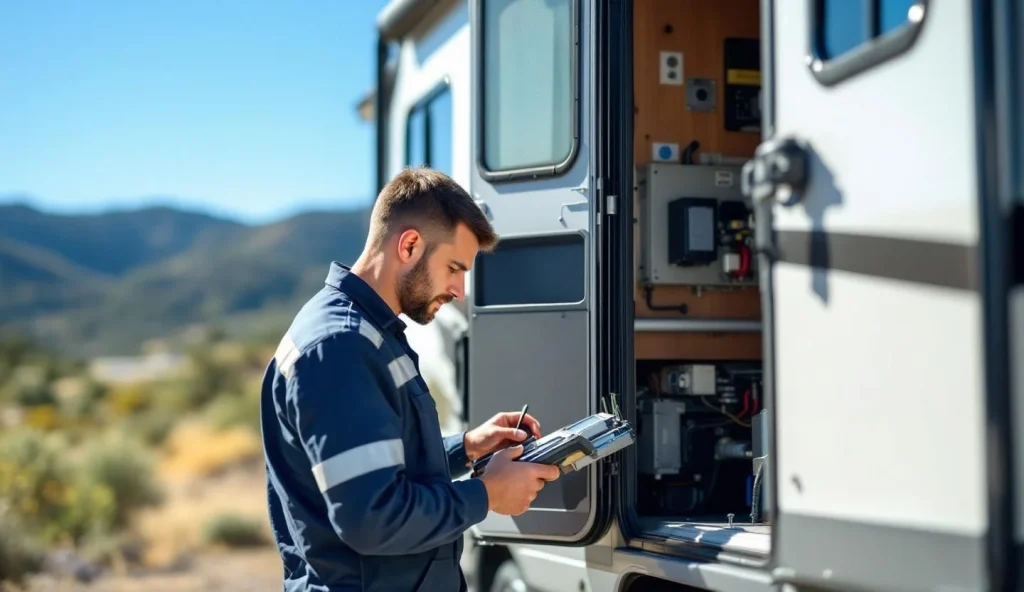
The Recreation Vehicle Industry Association (RVIA) and RV Technician Association of America (RVTAA) offer certification programs. These require technicians to demonstrate competency and continue learning. When you see these certifications displayed - and reputable shops WILL display them - you're looking at professionals who take their craft seriously.
Also consider technician-level training. Does the shop have certified RV technicians on staff? Or are they general mechanics dabbling in RV work? Ask about their experience with your specific RV type. Class A, B, C motorhomes, fifth wheels, and travel trailers each have unique considerations. A shop that specializes in travel trailers might not have the expertise needed for a diesel pusher's sophisticated systems.
Finally, check whether the shop is bonded and insured. Bonding protects you if the shop closes unexpectedly or fails to complete work. Insurance covers potential damage during repairs. These aren't just nice-to-haves. They're fundamental indicators that you're dealing with a professional operation that's built to last.
How to Find and Evaluate RV Repair Shops Near You
You've got the knowledge foundation. Now let's talk about actually finding qualified shops in your area.
The good news is you've got more resources than ever. The challenge? Sorting through options to identify genuinely trustworthy candidates.
Where to Search for Trusted Local RV Repair Services
Start with platforms that specialize in verified reviews - like Who Knows RVs - where you know the feedback comes from actual RV owners. Not fake accounts or competitor sabotage.
When evaluating repair shops, factors such as technical expertise, service range, customer service, location, and cost should all be considered. Verified review platforms help you assess all these factors through real customer experiences.
Don't stop at star ratings, though. Read the actual reviews. Look for specifics: Did the shop communicate clearly about the diagnosis? Were repairs completed on schedule? Did they stand behind their work if issues arose?
Go through online reviews and testimonials about the repair specialist to get an idea of their reputation, customer satisfaction level, and average price.
RV communities - both online forums and local clubs - can be goldmines of information. When someone recommends a particular repair shop, ask follow-up questions about their vehicle type, the nature of the repair, and their experience with the shop. A shop that's fantastic with fifth-wheel plumbing might not be your best bet for motorhome engine work.
Location matters, but maybe not how you think. Yes, convenience is nice. But the closest shop isn't always the best choice. Consider whether a slightly longer drive is worth accessing significantly better expertise. This is especially true for complex repairs.
For routine maintenance, proximity makes more sense. For major repairs or specialty work, expertise trumps convenience every time.
Finally, evaluate service range. Some shops specialize in specific systems - electrical, collision repair, chassis work. Others offer comprehensive services. Match the shop's specializations to your needs. There's no point choosing a shop with stellar collision repair reviews when you need generator diagnostics.
Reading RV Repair Shop Reviews the Right Way
You've found several promising shops with decent review ratings. Now comes the crucial part: actually interpreting those reviews intelligently.
Not all five-star ratings are created equal. And not every one-star review is a dealbreaker. Let's break down how to read between the lines.
Quality positive reviews go beyond generic praise. Look for mentions of specific strengths: clear communication about diagnosis and costs, technicians who explain what they're doing, realistic timelines that the shop actually meets, and clean, professional facilities.
Reviews and recommendations give you a glimpse into a shop's strengths, weaknesses, and reputation, allowing you to make an informed decision. When multiple reviews mention the same positive aspects - like "they always call before doing additional work" or "they caught issues other shops missed" - pay attention.
Here's what quality reviews DON'T look like: generic statements like "best shop ever!" Reviews that focus solely on price without mentioning quality. Or suspiciously uniform five-star reviews posted around the same time. These could indicate fake reviews or friends and family doing favors.
Spotting Red Flags in Reviews and Reputation
Now for the flip side - negative reviews. Not all complaints are equal.
One person's "too expensive" might reflect unrealistic expectations about RV repair costs. These costs are inherently higher than automotive work due to system complexity. Look instead for patterns: multiple reviews mentioning incomplete repairs, shops that won't provide written estimates, or consistent complaints about poor communication.
Key red flags include lack of credentials or certifications, poor online reputation, unclear estimates and pricing, and pressuring you for immediate repairs. If you see these patterns in reviews, trust your gut and keep looking.
Pay special attention to how shops respond to negative reviews. A professional operation addresses complaints constructively. They explain what happened. They describe how they've improved. Shops that ignore criticism or respond defensively reveal a lot about their customer service philosophy.
Verified reviews matter more than anonymous ones. On platforms like Who Knows RVs, you know feedback comes from actual customers. Not competitors or bots. This verification layer helps you trust that the patterns you're seeing reflect genuine experiences.
When reviews can be authenticated to real RV owners, you're working with reliable data instead of internet noise.
Finally, consider reputation indicators beyond reviews. How long has the shop been in business? Do they have an established presence in the RV community? Are they affiliated with recognized RV organizations?
Longevity and community involvement often correlate with quality. Shops that consistently disappoint customers don't last decades in a niche market.
Essential Questions to Ask Before Choosing Your RV Repair Shop
You've narrowed your list to a few promising candidates. Before committing, it's time for the interview phase.
Yes, you're interviewing them - not the other way around. The questions you ask and how shops respond will tell you everything you need to know about whether they're the right fit.
Questions About Their Experience and Capabilities
Start with experience-specific questions. Ask: "How long have you been working on this type of RV?" and "Have you worked on my RV brand before?"
Different manufacturers use different systems. Familiarity matters. A shop that's primarily worked on lightweight travel trailers might struggle with a luxury Class A diesel pusher.
Dig deeper into the specific repair you need: "How many times have you performed this type of repair?" and "What's typically involved in fixing this issue?" Their answers reveal not just experience but whether they're actually listening to your problem. Vague, generic responses suggest they're not confident about the repair.
When choosing a good RV mechanic, look for quality work and good reviews, be sure they have ample experience, and inspect their equipment. Don't be shy about asking for a facility tour.
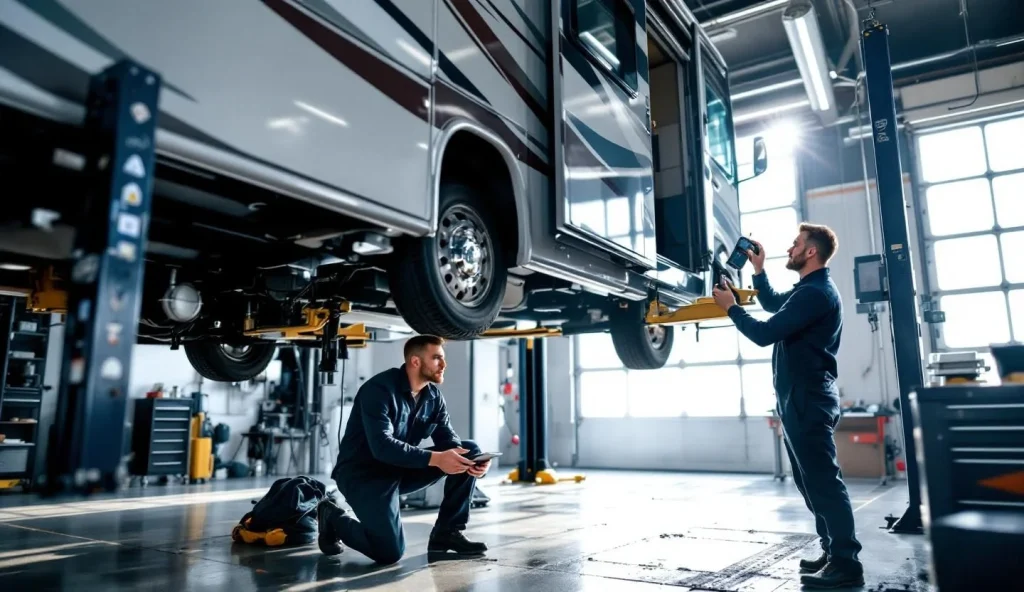
Check whether they have proper RV bays - tall enough, large enough. Look at their diagnostic equipment. Check for tools specific to RV systems. A shop working out of a cramped garage with basic automotive tools isn't equipped for serious RV work.
Ask about their team: "Who will actually be working on my RV?" and "What's their experience level?" You want certified technicians, not apprentices learning on your dime. Also inquire about whether they have relationships with RV parts suppliers. This affects both repair timelines and whether they can source quality components.
Questions About Pricing, Warranties, and Guarantees
Now for the money talk. Ask: "Do you provide written estimates before starting work?" The answer should be an enthusiastic yes.
Reputable shops provide detailed, written estimates that break down labor and parts costs. Follow up with: "What's your policy if you discover additional issues during the repair?" You want a shop that calls for approval before performing additional work. Not one that surprises you with an inflated bill.
Warranties are crucial. Ask about a warranty on repairs and understand exactly what's covered. Ask: "What warranty do you offer on parts and labor?" and "How long does the warranty last?"
Quality shops typically warranty labor for 90 days to a year. They pass along manufacturer warranties on parts. Be wary of shops that won't stand behind their work.
Get specific about the warranty terms: "What does your warranty actually cover?" and "What would void the warranty?" Some warranties only cover catastrophic failures, not adjustments or minor issues. Others become void if you take your RV to another shop or attempt DIY fixes. Know these limitations upfront.
Ask about payment terms and methods: "When is payment due?" and "What payment methods do you accept?" Also inquire: "Do you work with extended warranty companies?"
If you have extended coverage, you need a shop willing to navigate that process. Some shops refuse to deal with certain warranty providers due to payment hassles. Better to know this before scheduling work.
Finally, discuss timelines: "How long will this repair take?" and "What happens if parts are delayed or complications arise?" Honest shops provide realistic timelines. They explain their communication process for delays. Shops that promise unrealistically fast turnarounds often deliver disappointment instead.
Authorized Dealerships vs Independent RV Repair Shops: Which Is Right for You?
You've got two main paths for RV repairs: authorized dealership service centers or independent repair shops. Each has distinct advantages and limitations. Understanding these differences helps you choose the right option for your specific situation.
Authorized dealership service centers have several key advantages. They're factory-trained on your specific RV brand. They have direct access to manufacturer technical support and parts. They can perform warranty work that independent shops often can't.
If your RV is still under manufacturer warranty, many repairs must be done at authorized centers to maintain coverage. Dealerships also handle recalls and technical service bulletins that independent shops might not even know about.
The dealership downsides? They're often more expensive. They have longer wait times due to high demand. They may be less flexible with scheduling. Their service bays handle numerous RVs simultaneously, so you might not get the personalized attention an independent shop provides. Some dealerships also push unnecessary services or prefer replacing components rather than repairing them.
Independent RV repair specialists shine in different areas. They typically offer more competitive pricing. They deliver faster turnaround times. They provide more personalized service.
Many independent techs are former dealership mechanics who started their own shops. They have the training but with better customer service flexibility. Independent shops often excel at creative problem-solving. They're more willing to repair components rather than automatically replacing them.
However, independents may lack access to proprietary diagnostic tools. They have limited parts availability for certain brands. They can't perform warranty work. If your repair involves brand-specific systems or requires manufacturer authorization, you might have no choice but to use a dealership.
So when should you choose each? Use dealerships for warranty work, recalls, brand-specific technical issues, and when you need absolute certainty of factory-trained expertise. Choose independent shops for out-of-warranty repairs, routine maintenance, general systems like plumbing, electrical, and appliances, and when you want more personalized service at better prices.
Cost differences can be significant. Dealerships typically charge higher labor rates compared to independents, though this varies by region. However, dealerships might complete certain repairs faster due to better access to parts and technical support. This potentially offsets hourly rate differences.
Many experienced RV owners use a hybrid approach: dealerships for warranty work and complex brand-specific issues, independents for everything else.
Making Your Final Decision and Moving Forward
You've done the research. You've asked the right questions. You've narrowed down your options. Now it's time to make your final decision on how to choose an RV repair shop that'll treat your rig right.
Trust your instincts. If something feels off during your interactions with a shop, listen to that feeling. Professional shops make you feel confident and informed. Not pressured or confused.
Once you've selected a shop, start with a smaller repair or maintenance job if possible. This gives you a low-risk way to evaluate their work quality, communication, and professionalism before trusting them with major repairs. Pay attention to how they handle the entire process, from initial estimate to final invoice.
A shop that excels on routine maintenance will likely deliver on bigger jobs too.
Keep detailed records of all repairs. Save invoices, warranties, and any communication with the shop. These documents prove invaluable if issues arise later or when you're comparing shops for future work. Building a relationship with a trusted repair shop pays dividends over time. They'll understand your RV's history and quirks. This makes future diagnoses faster and more accurate.
Remember, finding the right RV repair shop is an investment in your RV's longevity and your peace of mind. Take the time to choose wisely. You'll have a trusted partner for all your RV maintenance and repair needs.
Your adventures deserve a reliable support team keeping your home-on-wheels in top condition. Whether you're a weekend warrior or a full-time RV living enthusiast, the right repair shop makes all the difference between stress-free travels and roadside headaches.